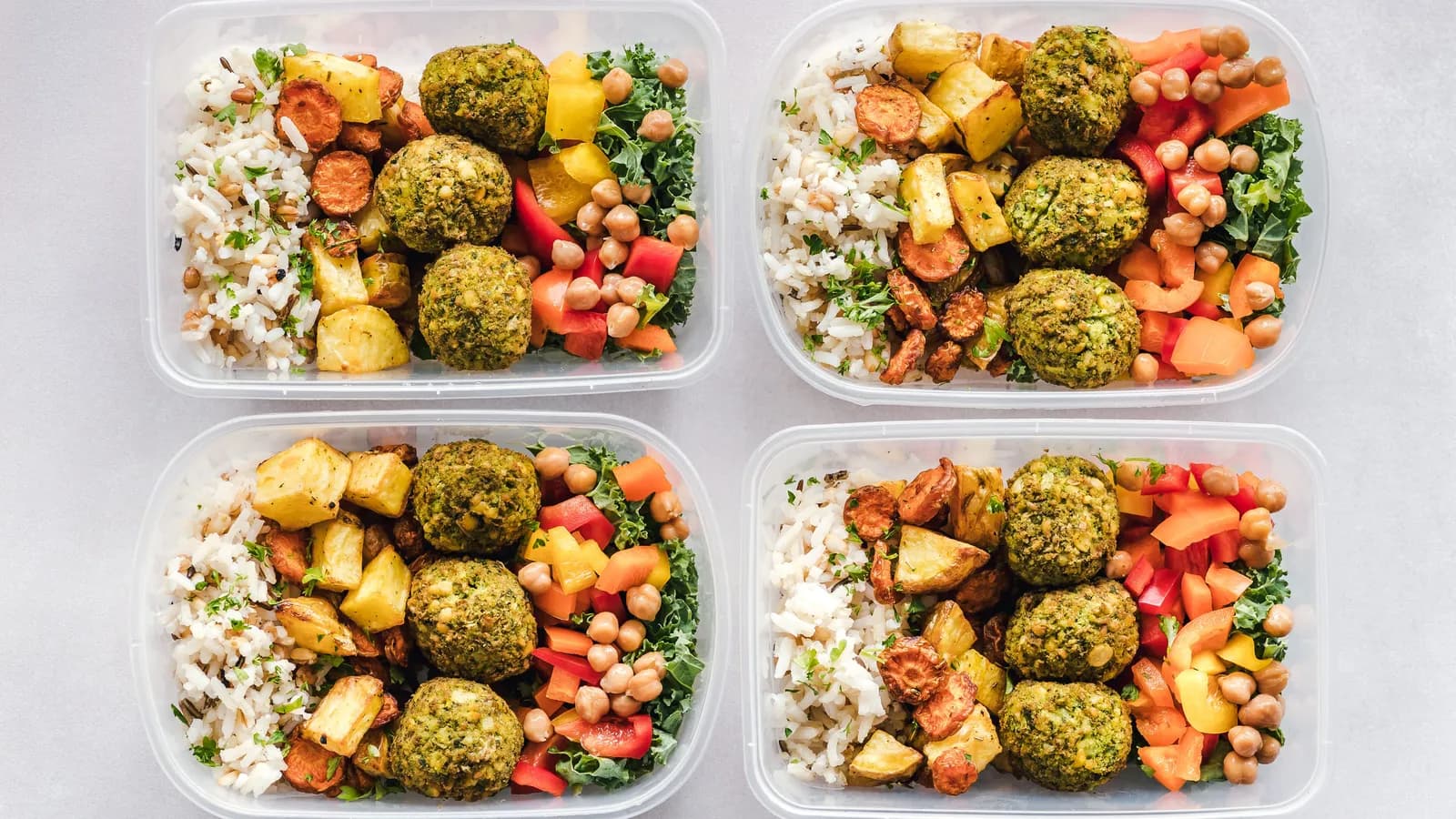
Meal Prep in South Africa: How to Save Time, Money, Water and Food
Make meal preparation work around rising food costs, electricity interruptions and water shortages with practical ways to plan, cook, store and reuse ingredients.
By Lee Mokonyane · 15 October 2026 · 8 min read
Meal preparation used to be mainly about saving time during a busy week. In South Africa, it has become a useful way to manage household resources.
Food prices can make wasted ingredients expensive. Water interruptions complicate washing and cooking. Electricity outages can interrupt meal preparation and compromise refrigerated food.
Climate conditions add another consideration. The South African Weather Service has warned that the 2026/27 El Niño is likely to bring hotter, drier conditions to much of the country. This increases the risk of pressure on agriculture and water supplies, although the effects will differ by region.
National load shedding is currently suspended, but local power failures and other electricity interruptions remain worth planning for.
A useful meal-prep routine should therefore help you buy what you need, use ingredients efficiently and avoid preparing more food than you can safely store.
1. Plan Around What You Already Have
Before writing a grocery list, check your fridge, freezer and cupboards.
Identify ingredients that need using first, then build meals around them.
If you have spinach, carrots, chicken and rice, you already have the basis for several meals. You might prepare a chicken-and-rice bowl, a vegetable stir-fry and a soup using the remaining ingredients.
This approach reduces unnecessary purchases and prevents food from being forgotten.
Plan for the days you genuinely need prepared meals. If you regularly eat out on Fridays, there is little value in preparing seven dinners.
A realistic plan is easier to maintain and less likely to create waste.
2. Choose Ingredients That Work Across Several Meals
Versatile ingredients make meal preparation more affordable and flexible.
Instead of buying separate ingredients for every recipe, choose foods that can be prepared in different ways.
For example:
- Proteins: Eggs, chicken, lentils, beans and tinned fish.
- Starches: Rice, potatoes, oats, pasta and maize meal.
- Vegetables: Cabbage, carrots, spinach, peppers and frozen mixed vegetables.
- Flavour builders: Onions, garlic, ginger, spices, herbs and sauces.
A whole chicken can provide roast chicken for dinner, shredded meat for sandwiches and additional portions for rice bowls.
Lentils can become a curry, soup or filling for wraps.
Buying larger quantities only saves money when you can use or safely store everything before it spoils.
Choose ingredients according to their usable yield, price per portion and storage life.
3. Prepare Components Instead of Seven Identical Meals
Preparing individual ingredients gives you more flexibility throughout the week.
You might cook a batch of rice, roast vegetables, prepare chicken and make a dressing.
These components can become different meals:
- chicken, rice and roasted vegetables
- chicken wraps with crunchy vegetables
- a rice bowl with a different sauce
- a warm vegetable and lentil salad
Keep dressings and crisp ingredients separate until serving.
You can also change flavour profiles using ingredients already in your kitchen. Lemon and herbs, curry spices or a soy-and-ginger dressing can make similar ingredients feel different.
Preparing components is particularly useful when your plans change, provided you store and use them within safe time limits.
4. Cook Efficiently When Electricity and Water Are Available
Meal preparation can reduce repeated cooking, washing and cleaning.
If the oven is already heating for roast chicken, use available space to cook vegetables at the same time, provided the dishes can cook safely at compatible temperatures.
A pressure cooker can reduce cooking time for some foods, particularly dried beans and tougher cuts of meat.
One-pot meals also reduce the number of utensils and pans requiring washing.
During water interruptions, prioritise dishes that need minimal washing and use water efficiently.
Practical options include:
- washing vegetables together in a clean basin using safe water, then draining them
- cooking vegetables by steaming rather than boiling in large quantities of water
- using measured quantities of water for rice and grains
- choosing one-pot meals that reduce washing-up
- keeping a supply of safe drinking and cooking water where interruptions are expected
Water used to wash raw meat or contaminated equipment should never be reused for food preparation. Avoid washing raw chicken, as splashing can spread bacteria around the kitchen.
If your water supply is interrupted or its safety is uncertain, follow local boil-water or treatment advice before using it for drinking, washing produce or preparing food.
5. Prepare for Power Interruptions Without Risking Food Safety
Meal preparation only saves money if the food remains safe to eat.
Cooked food should be cooled promptly, divided into shallow containers and refrigerated or frozen within two hours. In very hot conditions above 32°C, reduce that time to one hour.
Keep your refrigerator at 4°C or below and freezer at approximately -18°C.
As a general guide, refrigerated cooked leftovers should be eaten within three to four days. Freeze portions intended for later in the week.
During a power outage:
- keep refrigerator and freezer doors closed
- use a fridge thermometer to monitor temperatures
- avoid repeatedly opening the freezer to check food
- use frozen ice packs or a cooler when necessary
- keep shelf-stable meal options available
An unopened refrigerator generally keeps food cold for approximately four hours. A full, unopened freezer may maintain safe temperatures for around 48 hours, or 24 hours when half-full.
These are estimates, not guarantees. Actual food temperatures determine safety.
Discard perishable refrigerated food if it has been without safe refrigeration for too long. Frozen food that still contains ice crystals or remains at 4°C or below may generally be cooked or refrozen.
Never taste food to determine whether it is safe.
If your area experiences frequent or prolonged outages, smaller batches may be more practical than filling the freezer with a week's worth of meals.
6. Use the Freezer Strategically
Freezing helps preserve ingredients that would otherwise spoil, but portion size matters.
Freeze food in quantities you are likely to use at one time.
A large container of stew may require thawing more food than you need. Individual portions allow you to remove only what you intend to eat.
Label containers with the dish name and freezing date.
Good freezer-friendly options include cooked beans, lentil dishes, soups, stews, meatballs and many cooked sauces.
Some foods lose quality after freezing. Lettuce, cucumber and delicate salad greens generally become watery when thawed, making them better suited to fresh preparation.
Freezing also depends on a reliable cold chain. If outages are frequent, consider keeping more shelf-stable ingredients rather than relying entirely on frozen meals.
7. Repurpose Leftovers Before They Become Waste
Leftovers can become ingredients for another meal.
Roast chicken can be added to soup, wraps or pasta. Cooked vegetables can become a frittata or filling for savoury pastries. Leftover beans can be mashed into a spread or added to a stew.
Fresh herbs can be chopped and frozen in small portions for cooked dishes.
Vegetable trimmings that are clean and suitable for consumption can be used for stock.
Be mindful of food safety when repurposing leftovers. Refrigerate them promptly, use them within their safe storage period and reheat thoroughly.
Rice deserves particular attention because Bacillus cereus can survive cooking and multiply when cooked rice is left warm for extended periods. Cool rice quickly, refrigerate promptly and avoid leaving it at room temperature.
Repurposing food is useful only while that food remains safe to eat.
8. Keep a Backup Meal Plan
Even a carefully planned week can be disrupted.
Having a few shelf-stable ingredients means you can still assemble a meal when cooking time, electricity or refrigeration is limited.
Useful options include tinned beans, chickpeas, tuna, peanut butter, crackers, bread and suitable shelf-stable vegetables.
For example, tinned chickpeas can be combined with a shelf-stable grain product, olive oil and seasonings for a simple meal when safe water and preparation facilities are available.
Choose backup foods that your household already enjoys, rotate them into regular meals and replace them before their expiry dates.
Avoid building an expensive emergency pantry that you rarely use.
Make Meal Preparation Work for Your Household
Meal preparation does not require spending an entire Sunday cooking or filling the fridge with identical containers.
Start with two or three meals you regularly eat. Identify shared ingredients, prepare the components that take the most time and store only what you can safely use.
Some weeks, that may mean cooking several complete meals. Other weeks, washing vegetables, preparing a protein and making one sauce may be enough.
The most effective routine is one that reduces unnecessary shopping, cooking, cleaning and food waste while allowing you to adapt when circumstances change.
Sources and Further Reading
- South African Government: Agriculture on El Niño Weather and Climate — September 2026.
- South African Government News Agency: SAWS Warns of Very Strong El Niño and Hotter, Drier Spring Conditions.
- Water Institute of Southern Africa: El Niño Is on the Horizon: Is South Africa Ready for the Water Risks?.
- Eskom: Power Outage Checklist.
- CDC: Keep Food Safe After a Disaster or Emergency.