Journal
Kitchen Language
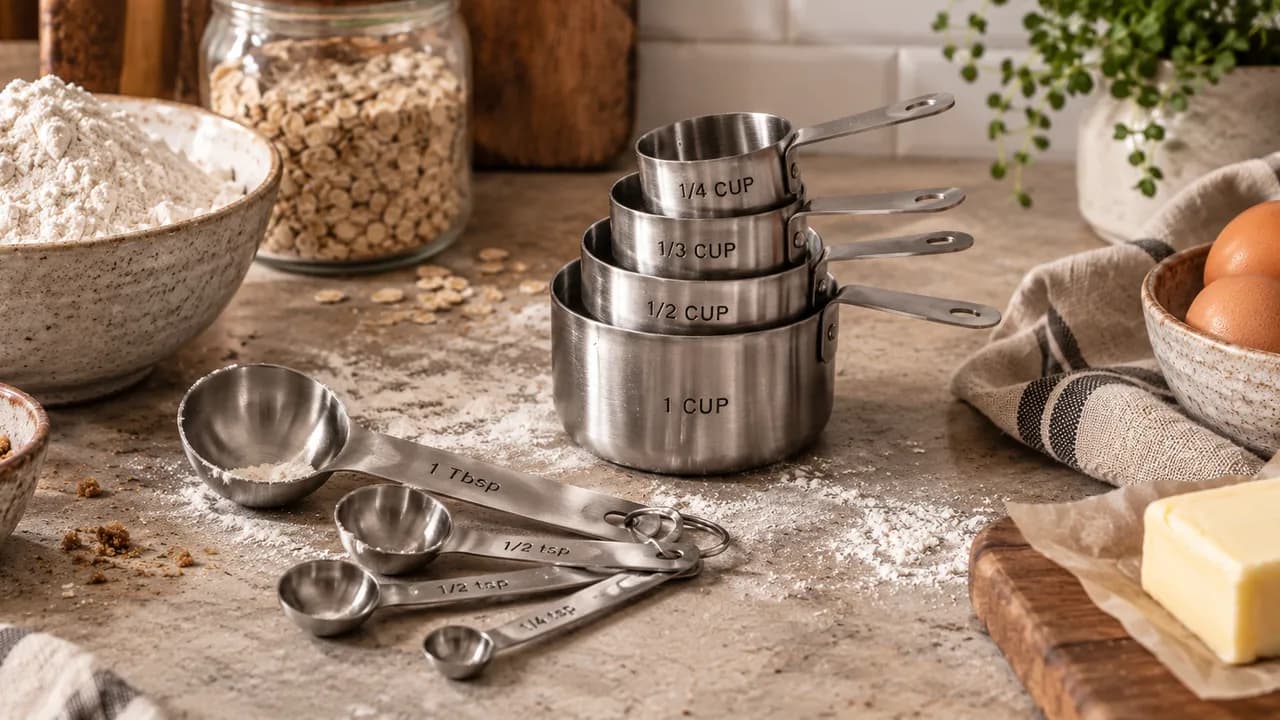
Weights, Volumes and the Cup Problem
Why can one recipe say a cup of flour weighs 120 g and another say 150 g? And is an American cup actually the same size as a South African one? This guide explains the difference between weight and volume.
9 September 2026 · Lee Mokonyane · 10 min read
Technique
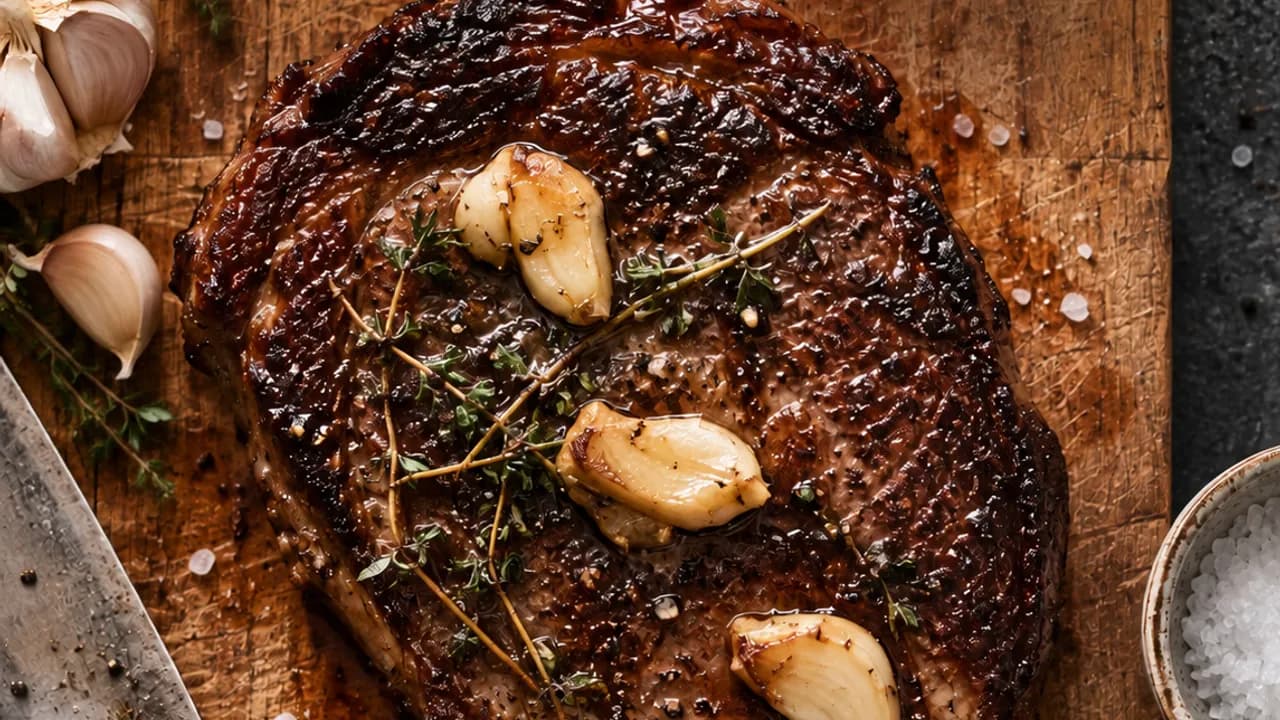
The Maillard Reaction Explained
Why does a seared steak taste different from boiled meat? The answer lies partly in the Maillard reaction, the chemistry responsible for many of the roasted, toasted and savoury flavours created during cooking.
8 September 2026 · Lee Mokonyane · 8 min read
Ingredient Guides
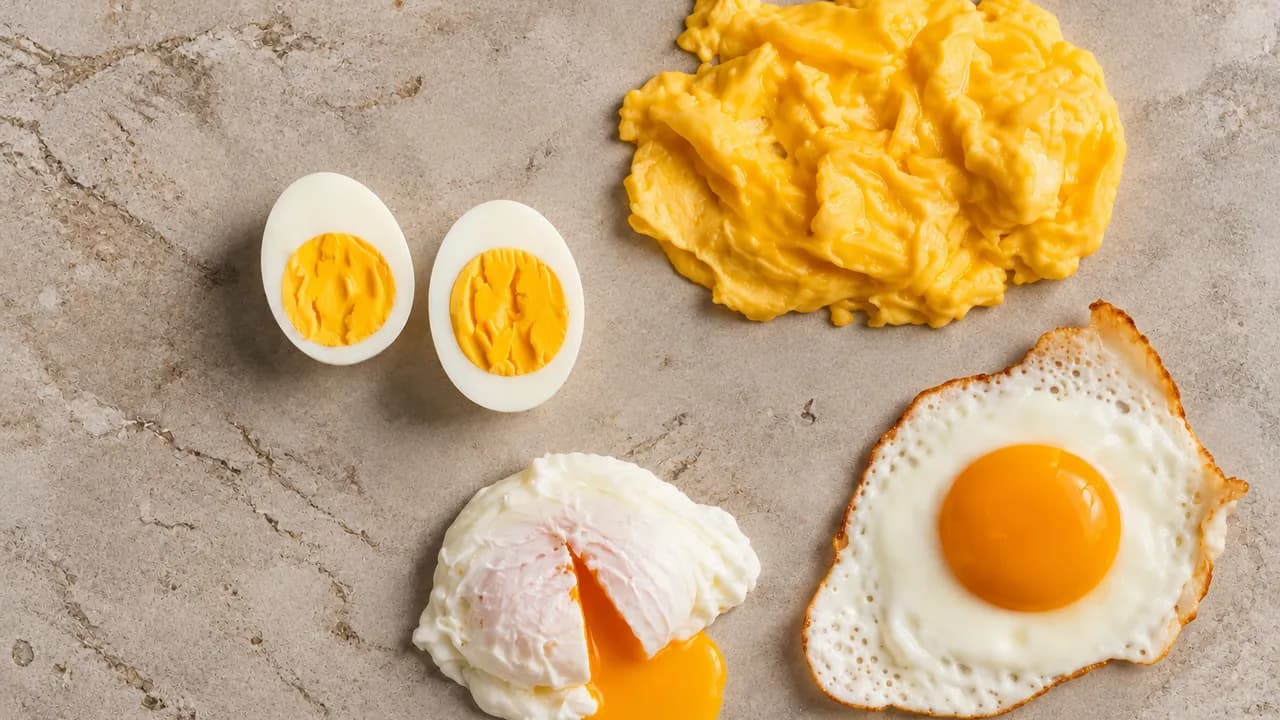
How to Cook Eggs Properly: Boiled, Poached, Scrambled and Fried
A guide to using heat, timing and technique to control the texture of boiled, poached, scrambled and fried eggs.
3 September 2026 · Lee Mokonyane · 4 min read
Ingredient Guides
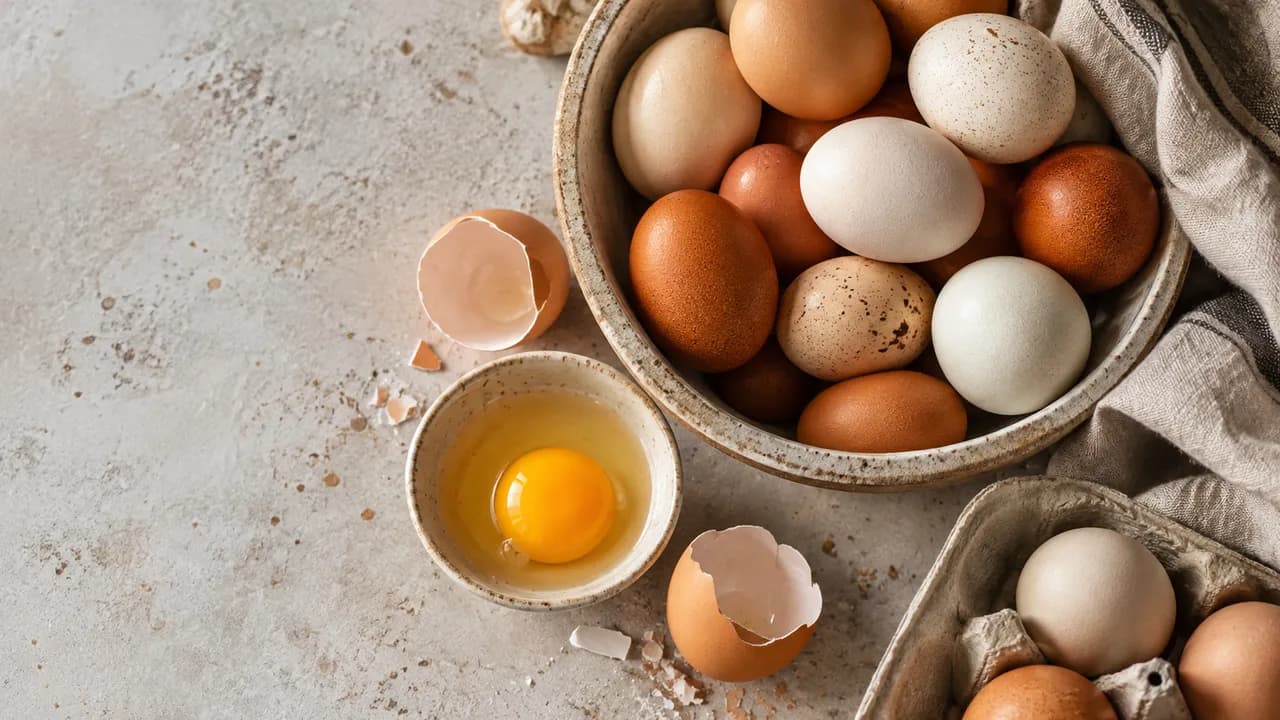
Eggs: What They Actually Do in a Recipe
A practical look at the different jobs eggs perform in cooking and baking, from binding and structure to moisture, aeration and browning.
1 September 2026 · Lee Mokonyane · 6 min read
Kitchen Language

Temperature Terms: What Medium Heat Actually Means
Medium heat isn’t a fixed temperature. Learn to recognise low, medium and high heat from the way oil, food and liquids behave in the pan.
11 August 2026 · Lee Mokonyane · 6 min read
Kitchen Language
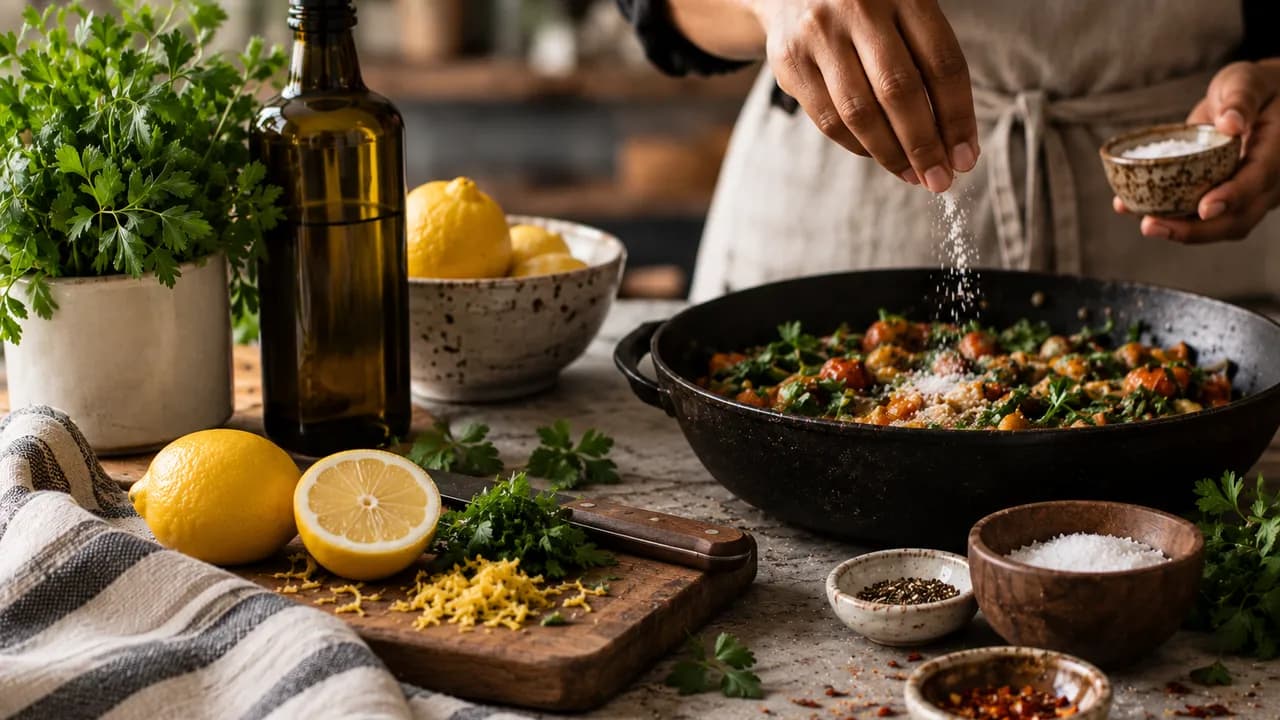
What Recipes Mean When They Say "Season to Taste"
“Season to taste” asks you to make a judgement the recipe cannot make for you. Here’s how to work out what a dish needs and adjust it without guessing.
11 August 2026 · Lee Mokonyane · 8 min read
Kitchen Language
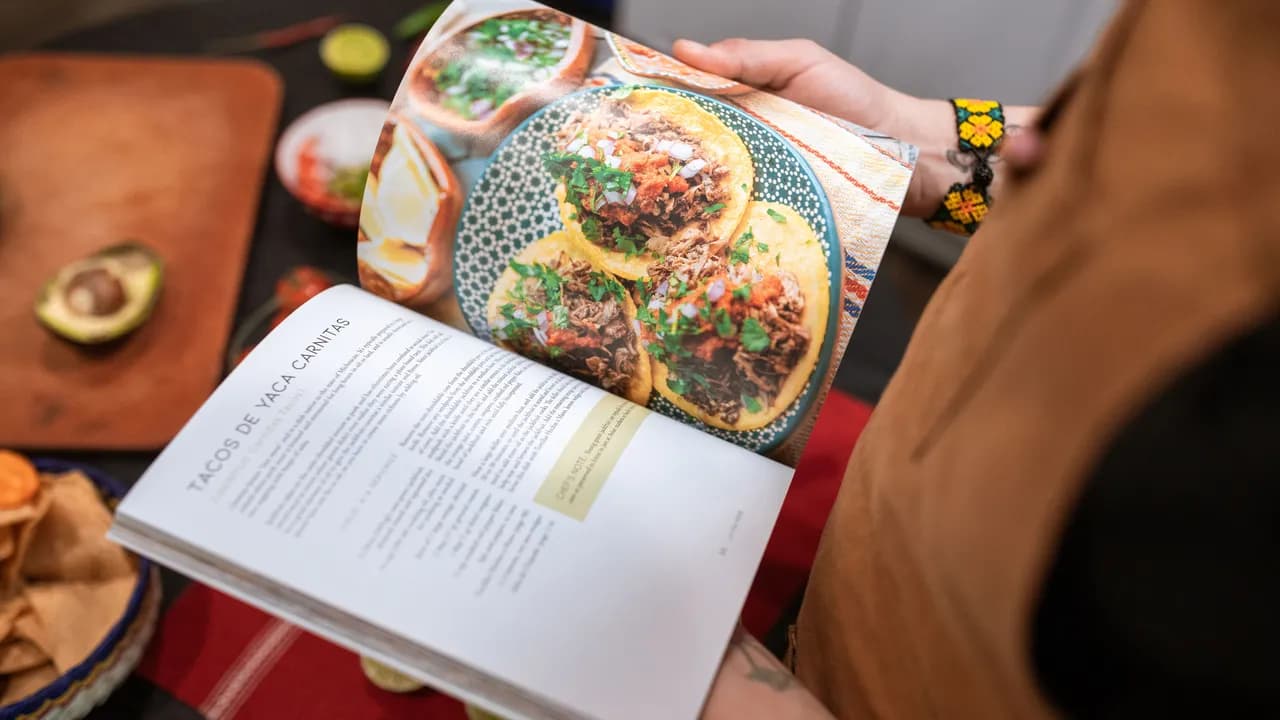
When Recipes Speak Different Languages: US, UK and South African Ingredients
Heavy cream, double cream and fresh cream may serve similar purposes, while icing sugar can appear under three different names. Here’s how to translate common US, UK and South African recipe ingredients without relying on the name alone.
11 August 2026 · Lee Mokonyane · 8 min read