Where to Source Ingredients, Décor and Event Venues in Johannesburg
A Johannesburg sourcing guide for chefs and event professionals, covering fresh ingredients, specialty suppliers, décor hire, event equipment and venues.
By Lee Mokonyane · 12 March 2025 · 12 min read
As private chefs, we don't have the luxury of a fully stocked restaurant pantry or a supplier delivering everything we need in bulk. We source according to each client's menu, the number of guests and the experience we're creating.
Every ingredient is a decision. Every supplier, trip to the market or early-morning call to a butcher is part of the process.
I learned this young. I grew up in a home where food was part of who we were.
Whenever we visited my aunt, she'd have dikuku le gemere ready, convinced she made the best in town. You know those thick, ridged cookies that somehow ended up hidden in bedrooms during funerals, only to be brought out later with a cup of tea. She baked them by instinct, without a written recipe, knowing exactly when the dough felt right.
My grandmother sold matokomani, salted peanuts measured by hand, warm and fresh. Across the street, the neighbours sold di ice, frozen juice packs that stained your tongue and made summer afternoons that much better.
Those experiences shaped how I think about food. I learned to appreciate ingredients, the people who produce them and the knowledge that comes from working with them.
Today, sourcing for clients involves much more than ingredients. We also need reliable equipment suppliers, décor companies, suitable venues and people who understand the demands of professional food service.
Good planning starts long before anyone enters the kitchen.
Understanding What You Need
Good sourcing begins with understanding exactly what you're preparing, how much you need and when you need it.
If you're cooking for a family every day, consistency matters. You need a grocer who supplies fresh produce, a butcher who understands your preferred cuts and suppliers who can provide the same quality regularly.
For events, sourcing becomes more detailed. Ingredients must arrive at the correct stage of ripeness, in suitable quantities and with enough time for preparation.
A client might request aged Wagyu, truffle butter, fresh burrata or an ingredient that isn't readily available in supermarkets. Finding these products requires specialist suppliers and advance planning.
The same applies to events. You may need 80 matching dinner plates, additional refrigeration, a mobile kitchen or a venue that allows outside catering.
Understanding these requirements early gives you time to compare options, request quotations and avoid unnecessary last-minute expenses.
Where to Source Ingredients in Johannesburg
Johannesburg has a wide selection of markets, butcheries, seafood suppliers and specialty food stores. Knowing which suppliers suit different requirements makes sourcing more efficient.
Fresh Produce Markets
Carreira's Fruit and Veg Market, Randburg
A useful option for everyday fruits and vegetables, particularly when sourcing ingredients for smaller catering events and private dining.
One of the city's major fresh produce markets. Particularly useful for chefs purchasing larger quantities of fruit and vegetables.
Worth exploring for organic produce, artisanal foods and products from smaller local producers.
A creative precinct bringing together independent producers, artisans and urban agriculture initiatives.
Sourcing tip: When purchasing produce in bulk, compare the price per usable kilogram. A cheaper box may contain more waste, inconsistent sizing or produce that won't last until your event.
Butcheries and Meat Suppliers
A good butcher understands how meat will be cooked and can help you select the right cut, trimming specification and portion size.
Hardbody-Umleqwa-Roadrunner Chickens, Kya Sands
A specialist supplier worth exploring for traditional hardbody chickens, commonly known as umleqwa or roadrunner chickens.
Known for its focus on free-range and grass-fed meat.
The Butcher Shop & Grill, Sandton
An option for matured beef, lamb and other premium meat selections.
A butchery and deli offering a variety of meat products.
Sourcing tip: Specify the exact cut, approximate portion weight, trimming requirements and whether you need the meat deboned or prepared in a particular way. This reduces preparation time and helps with accurate costing.
Seafood Suppliers
Sourcing seafood in Johannesburg requires particular attention to product availability, handling and delivery schedules.
Seven Seas Fisheries, Fairland
A seafood retailer worth exploring for fresh fish and shellfish.
A seafood-focused business offering fish and shellfish selections.
Tiberius Fish Emporium, Sandringham
A kosher seafood specialist.
Rio Douro Fisheries & Butchery
Offers seafood alongside meat products.
Fisherman's Deli, Dunkeld West
A seafood deli worth exploring for specialist requirements.
A specialist food supplier offering a range of premium seafood products.
Sourcing tip: Confirm whether the fish is fresh or previously frozen, how it has been stored and when it will be delivered. For whole fish, establish whether the quoted weight is before or after cleaning.
Spices and Seasonings
Useful for Indian spices, masalas and everyday seasonings.
Worth exploring for whole spices, ground spices and specialist ingredients.
An option for herbs, seasonings and spice blends.
Sourcing tip: Whole spices can offer better flavour retention, particularly when toasted and ground shortly before use. For commercial recipes, standardise the quantities and test different suppliers before making substitutions.
Bakeries and Specialty Baked Goods
Known for creative, small-batch baked goods.
Focuses on plant-based baked goods and ingredients inspired by African food traditions.
Crumble Gluten-Free Bakery, Fourways
A specialist bakery offering gluten-free products.
Offers traditional breads, pies and other baked goods.
Sourcing tip: Confirm minimum order quantities, portion sizes, delivery arrangements and lead times. If you're ordering for guests with food allergies, ask about ingredient handling and cross-contact procedures.
Indigenous, Health and Specialty Ingredients
Worth exploring for African grains and indigenous food products.
Focuses on indigenous crops and traditional African agriculture.
Produces pestos, hummus and other prepared food products.
Setšong Tea Crafters, Marble Hall
Specialises in herbal infusions made from indigenous plants.
Fresh Earth Food Store, Blairgowrie
Offers health-focused groceries and specialist food products.
The Health Food Emporium, Honeydew
An option for natural and specialty ingredients.
A restaurant and deli with an emphasis on locally sourced produce.
Sourcing tip: When working with unfamiliar indigenous ingredients, establish their identity, intended food use, handling requirements and reliable supply before incorporating them into a commercial menu.
Where to Hire Event Décor and Equipment in Johannesburg
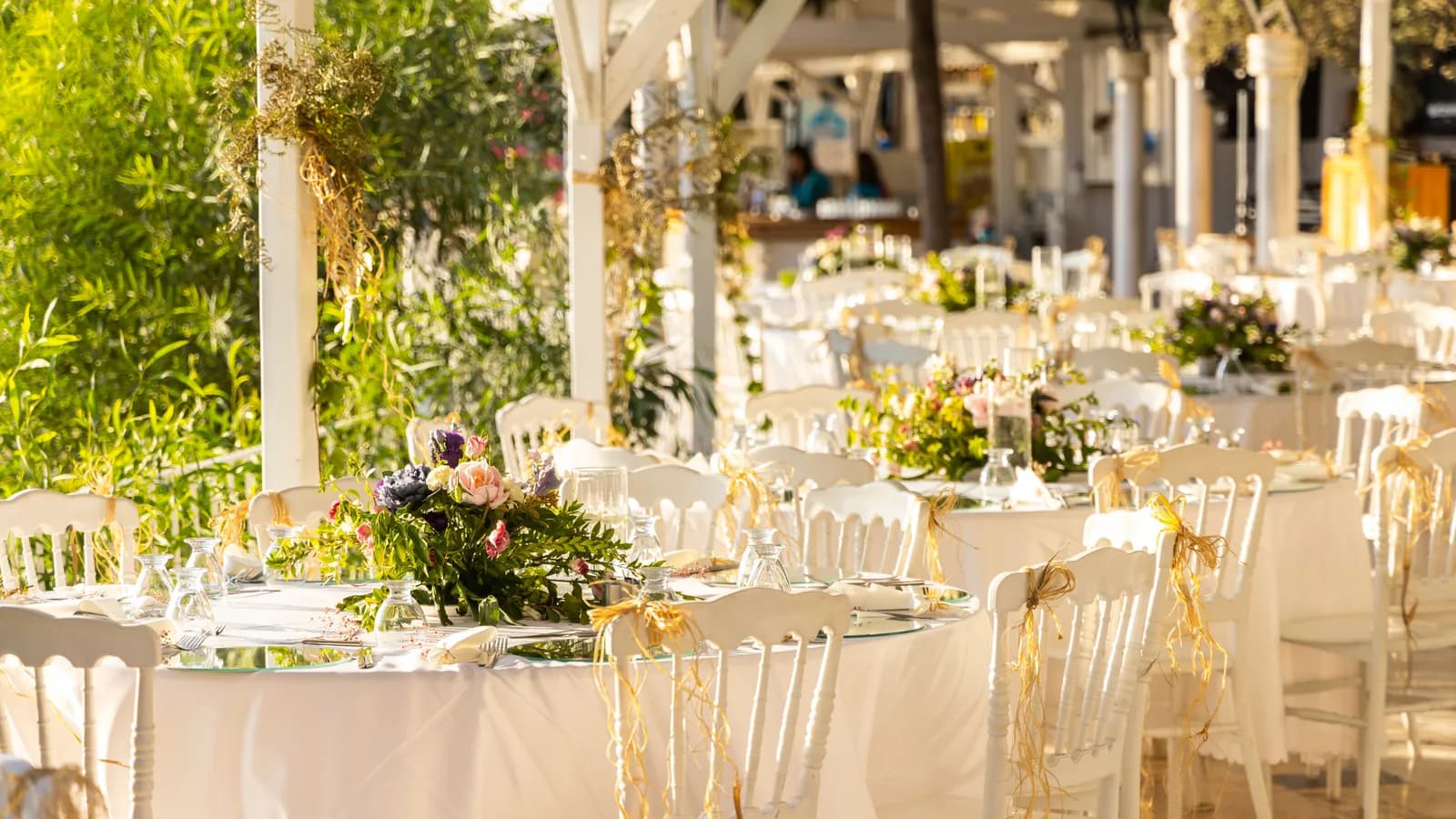
Décor plays an important role in how guests experience an event. The choice of linen, tableware, lighting and furniture can influence how the food is presented and how comfortably guests interact.
For intimate dinners, you may only need a few additional items. Larger events can require furniture, buffet stations, service equipment, backdrops and coordinated table settings.
Event Décor and Styling Companies
Offers furniture, linen, catering equipment, props, backdrops and event styling services.
Provides event décor hire and styling solutions for private and corporate functions.
Offers furniture hire, event styling and bar structures for different types of functions.
Focuses on corporate events, themed installations, gala dinners and larger event environments.
Offers decorative installations, backdrops, lighting and table décor.
Specialises in floral arrangements, wedding décor and event styling.
What to Consider When Hiring Décor
Before requesting quotations, establish the type of event, guest numbers, table layout and overall budget.
Then confirm:
- Hire inclusions: Does the price cover the items only, or are styling and setup included?
- Delivery and collection: Are transport costs included, and what areas does the company service?
- Hire period: When must items be returned, and are there late collection fees?
- Breakages: What happens if crockery, glassware or furniture is damaged?
- Deposits: Is a refundable security deposit required?
- Setup requirements: How much time does the company need to prepare the venue?
- Cleaning: Must crockery and glassware be returned washed?
- Availability: Can the company supply matching quantities for your entire guest list?
Think carefully about how the décor will function during service.
Large centrepieces can obstruct conversation. Oversized furniture can restrict movement, and elaborate table settings may leave insufficient space for food.
For private dining, I prefer styling that complements the food and creates a comfortable experience for guests.
Where to Hire Event Venues in Johannesburg
Choosing the right venue requires careful consideration of the food service requirements.
A beautiful venue may have limited kitchen facilities, insufficient refrigeration or restrictions on outside catering.
These details can affect the menu, staffing requirements and overall event cost.
Event Venues Worth Exploring
A premium venue suited to formal dinners, corporate functions and special celebrations.
Shepstone Gardens, Mountain View
A garden-estate venue with distinctive architecture and spaces for private functions.
The Venue Melrose Arch, Melrose
A contemporary event and conference venue suited to corporate gatherings and private events.
The Garden Venue Hotel, North Riding
Offers garden event spaces, conference facilities and accommodation.
An industrial-style venue suited to larger events, functions and creative productions.
The Galleria Arena & Conference Centre, Sandton
A large event space designed for conferences, corporate functions and other productions.
What to Check Before Booking a Venue
Before confirming a venue, establish whether it can accommodate your catering requirements.
Kitchen facilities
Ask whether the venue has a functional kitchen, preparation surfaces, refrigeration, ovens and sufficient electrical capacity.
A kitchen suitable for reheating food may not be suitable for preparing a multi-course dinner from scratch.
Outside catering
Some venues have exclusive catering arrangements or charge additional fees when you bring your own chef.
Confirm this before committing to a booking.
Equipment
Find out whether tables, chairs, crockery, glassware and service equipment are included.
If you're arranging an interactive cooking event, check whether the venue has enough workstations, ventilation and safe electrical connections.
Access and setup
Establish when suppliers can enter the venue and how much time is allowed for preparation.
A chef may need several hours to prepare before guests arrive, while décor suppliers may need access even earlier.
Staffing
Confirm whether the venue provides waiters, cleaners, bartenders and event coordinators.
Beverages
Ask about the venue's liquor arrangements, corkage fees and restrictions on outside drinks.
Additional charges
Request a full breakdown of venue hire, cleaning, security, overtime, equipment and any other compulsory fees.
Weather arrangements
For outdoor functions, confirm whether there is a suitable covered alternative in case of rain or extreme heat.
Venue tip: Visit the venue before making a final decision whenever possible. Pay attention to the distance between the kitchen and dining area, loading access, storage space and the route staff will use during service.
The Art of Timing and Supplier Relationships
Food doesn't wait, and neither do events.
Certain ingredients are best purchased close to the cooking date. Others require advance orders, particularly when they're imported, seasonal or produced in small quantities.
Décor companies need delivery windows, venues have access restrictions and equipment suppliers may require several days' notice.
For larger events, I recommend working backwards from the guest arrival time.
Establish when food preparation must begin, when equipment should arrive, when tables must be ready and when the kitchen needs to be fully operational.
Supplier relationships are equally important.
The butcher who sets aside a particular cut, the farmer who lets you know when fresh strawberries are available or the décor supplier who helps you find matching glassware at short notice can make a real difference.
These relationships develop through clear communication, reliable payment and mutual respect.
Balancing Cost and Quality
Not everything needs to be the most expensive option. What matters is understanding where quality affects the final result.
A few habits can help:
- Build supplier relationships. Reliable suppliers help you manage availability, lead times and unexpected changes.
- Buy seasonal ingredients. Seasonal produce can offer better quality and value when supply is plentiful.
- Use ingredients efficiently. Chicken bones can become stock, citrus peels can flavour marinades and suitable vegetable trimmings can be incorporated into other preparations.
- Choose décor carefully. Good linen, suitable lighting and attractive tableware can be enough to create a well-styled setting.
- Compare complete venue costs. A lower hire fee may become expensive once equipment, staffing, cleaning and overtime are added.
- Avoid unnecessary bulk purchases. Buying more only saves money when the ingredients can be stored and used safely.
- Account for transport and labour. The cheapest supplier may not offer the best overall value once collection time, fuel and handling are included.
For professional events, the total cost of sourcing matters more than the individual price of each item.
Ingredient Sourcing Is a Craft
Choosing ingredients is personal. It's about memory, tradition and understanding what makes food special.
I may not have many food memories, but the ones I do have are vivid.
Back in primary school, Friday afternoons were special. My friends and I would walk to the local spaza shop or café for a packet of slap chips wrapped in newspaper. I'll never forget the smell of those thick-cut, vinegar-drenched chips.
Now, when I step into a market or butchery, I carry those moments with me. The smell of fresh basil reminds me of what good ingredients can bring to a dish. The feel of a perfectly ripe avocado tells me when it's ready to use.
Over time, I've come to appreciate the people behind the experience just as much. The farmers, suppliers, venue teams, decorators and service staff all contribute to what eventually reaches the guest.
If you want to become a great private chef, learn to respect your ingredients, understand where they come from and build strong relationships with the people who supply them.
Work With Good Food Studio
At Good Food Studio, we combine culinary expertise, menu development and event planning to create memorable food experiences.
Our services include private chef experiences, corporate team-building cooking classes, catering, recipe development and food styling.
Whether you're planning an intimate dinner, a corporate gathering or an interactive cooking experience in Johannesburg, contact our team to discuss your requirements.